
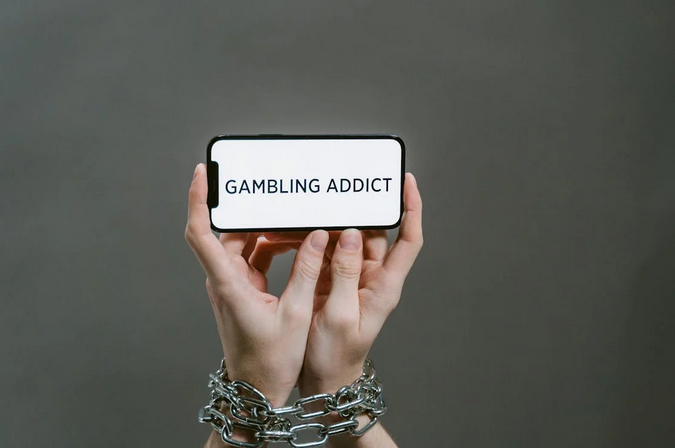
Gambling can start as simple entertainment—a few bets during a game, a quick spin on your phone, or a casual night at a casino with friends. For many people, it stays that way. But sometimes, without realizing it, those occasional moments turn into a regular habit. Because gambling is often normalized and easily accessible, it can be surprisingly difficult to notice when it’s becoming more than just fun. Recognizing the early warning signs is key. The sooner you spot them, the easier it is to reset your habits and stay in control.
You’re Spending More Time Than Planned
One of the clearest warning signs is losing track of time. Maybe you log in for “just 10 minutes” and suddenly an hour has passed. Even with the trusted and similar apps offering quick access to games anytime, it’s easy for sessions to stretch longer than intended. Time flies when you’re engaged, especially with fast-paced games designed to keep you clicking. If you frequently find yourself playing longer than you planned—or postponing responsibilities to continue gambling—it’s worth taking a closer look at your habits. Consistently exceeding your own time limits is often an early indicator that the activity is becoming more than casual entertainment.
You’re Chasing Losses
Another major red flag is chasing losses. This happens when you continue gambling in an attempt to win back money you’ve already lost. Instead of accepting a losing session as part of the experience, you feel compelled to keep playing until you “break even.” The problem is that gambling outcomes are unpredictable. Trying to recover losses quickly often leads to even bigger losses. If your thoughts shift from having fun to urgently recovering money, your relationship with gambling may be changing in unhealthy ways.
Gambling Is Affecting Your Mood
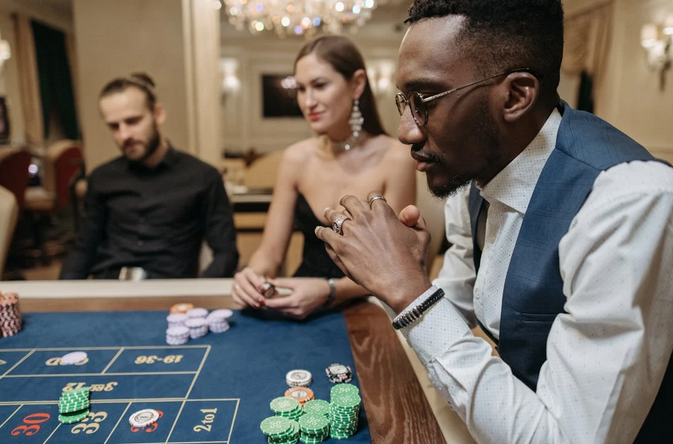
Pay attention to how gambling affects your emotions. Do you feel anxious when you’re not playing? Irritable after a loss? Overly euphoric after a win? Emotional highs and lows tied closely to gambling results can signal a deeper attachment. When your mood depends heavily on outcomes, gambling stops being just an activity and starts influencing your emotional well-being. Healthy entertainment shouldn’t dictate your stress levels or self-esteem. If it does, that’s an important sign to pause and reassess.
You’re Hiding It from Others
Secrecy is another common warning sign. If you downplay how much you gamble, avoid discussing losses, or feel uncomfortable when someone asks about your spending, that discomfort may be telling you something. Hiding receipts, deleting app notifications, or gambling privately to avoid judgment are behaviors often linked to growing problems. Transparency with trusted friends or family can act as a helpful reality check. When gambling moves into the shadows, it’s usually because, on some level, you know it’s becoming excessive.
Gambling Feels Like an Escape

Many people gamble to unwind or relieve stress. But if gambling becomes your primary coping mechanism, that’s a concern. Using it to escape boredom, loneliness, financial pressure, or emotional struggles can create dependency. Over time, the line between entertainment and emotional reliance blurs. If you feel drawn to gamble whenever you’re upset or overwhelmed, it may be time to explore healthier coping strategies, such as exercise, hobbies, or talking with someone you trust.
Financial Boundaries Keep Shifting
Maybe you once had a strict monthly gambling budget. Over time, that limit increases. Then it increases again. You might justify it by saying you can afford it or that you’ll cut back next month. Gradually raising your limits—or dipping into money meant for bills, savings, or essentials—is a serious warning sign. Even small financial boundary shifts can snowball. Responsible gambling relies on clear, consistent limits. When those limits start feeling flexible, it’s important to take notice.
Gambling doesn’t usually become a problem overnight. It tends to shift gradually, with small changes that are easy to justify in the moment. Spending more time than planned, chasing losses, hiding activity, or …

 One of the biggest shifts streaming introduced is visibility. When streamers broadcast their sessions, gambling becomes communal. Viewers celebrate wins, groan at losses, and spam chat with advice or reactions. Streams featuring mobile formats or apps, including setups similar to
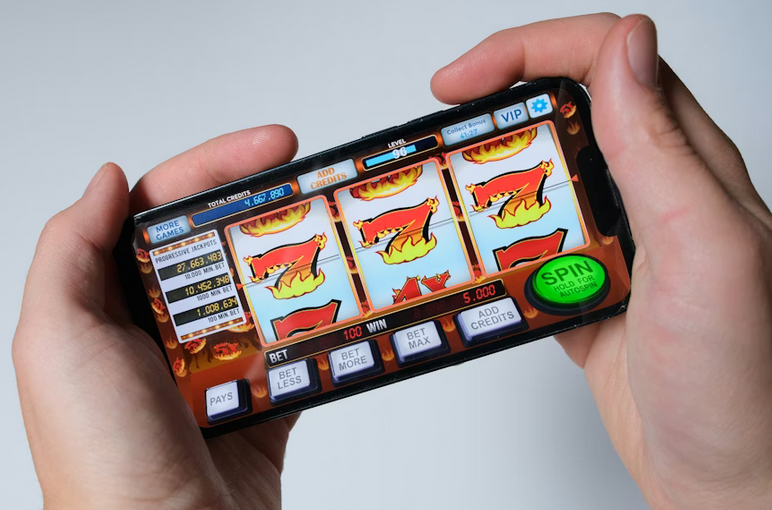


 Before you can win, you need to know what game you’re playing. Whether it’s poker, business, or personal finance, the first rule is understanding the rules. Too many people jump in without doing their homework, relying solely on instinct or luck. On platforms, players often learn that knowing the mechanics—such as odds, pay lines, and timing—can make a massive difference in outcomes. The same logic applies elsewhere: study your environment, learn from others, and approach every challenge with informed intention.
 Surrounding yourself with the right people is one of the most overlooked ways to stack the odds in your favor. In casinos, seasoned players often learn from each other’s tactics and avoid common pitfalls together. In life, mentors, supportive friends, and ambitious peers push you to perform better. Choose a company that challenges you, inspires you, and keeps you accountable. The right network doesn’t just improve your odds—it changes the entire game.
 Side bets are a hallmark of many live dealer games, offering the chance of higher payouts with smaller stakes. While they seem appealing, they often carry much worse odds than the main game. A pitfall here is assuming these bets are quick paths to profits, when in reality they can steadily eat away at your bankroll. For instance, blackjack side bets like “Perfect Pairs” or “21+3” may look tempting, but they significantly raise the house edge. In roulette, exotic betting patterns can confuse players into thinking their chances improve, when in truth the payouts rarely justify the risk. The smart approach is to focus primarily on the core bets, using side wagers sparingly and with clear awareness of their odds.

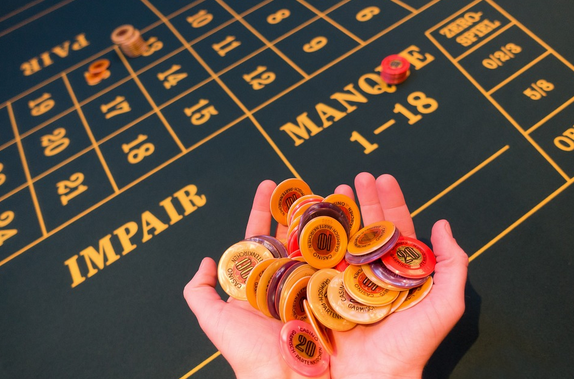


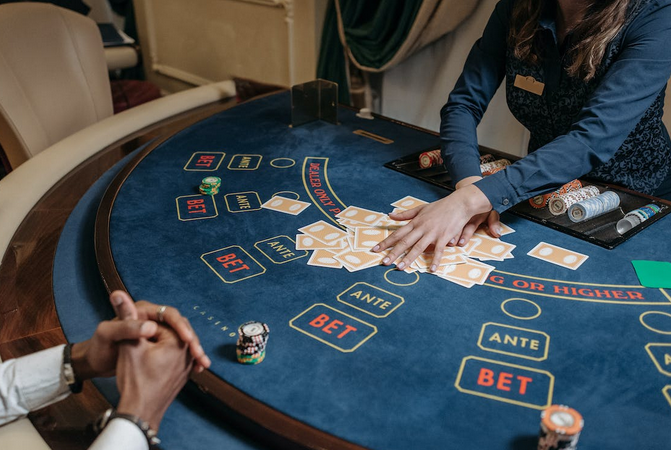





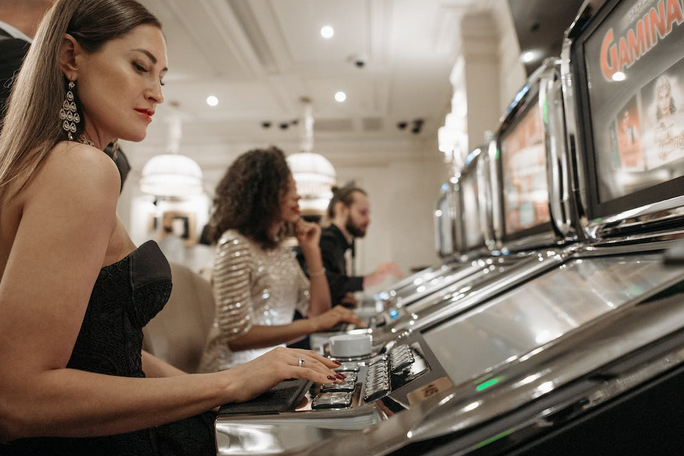

 Live22 stands out in the Southeast Asian market, emphasizing live dealer slot games. By incorporating live streaming technology, players can experience the thrill of real-time interactions with dealers while playing their favorite slot games. The platform’s commitment to providing an authentic casino experience has made it a preferred choice for many regional players.
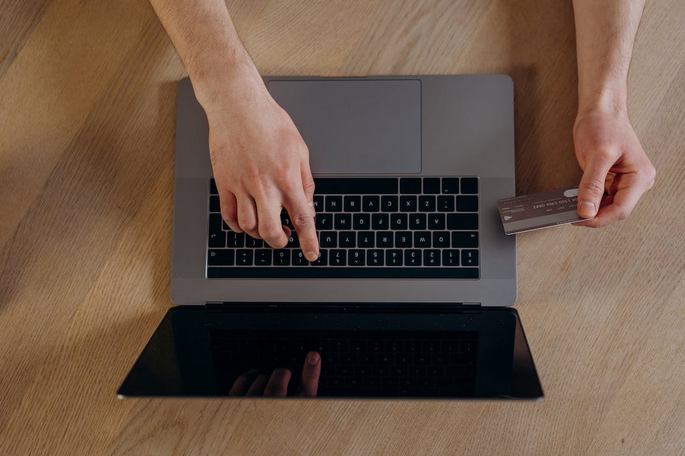
 Remember that there are numerous resources out there to help ensure responsible gambling. Many betting sites offer tools and services for setting limits, monitoring spending, and even setting time limits on your betting sessions. Take advantage of these resources to stay safe when using online gambling sites.
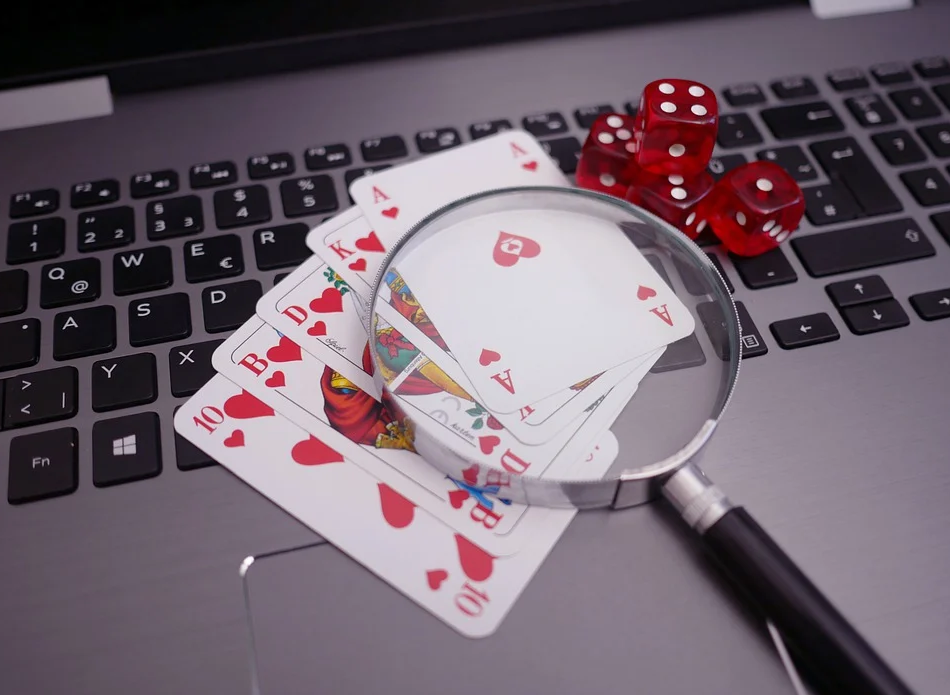 When doing anything online, it has become a norm to read the many reviews; the same should be done before choosing a site. It is essential to get an idea of what to expect before joining a gambling website. Since the casinos are online, there tends to be a section where people who have interacted with the website or app write their experiences.
 It is also essential to consider the rules of each site you visit. Those that might be gambling online may not know that each site tends to have its own rules and regulations. It is crucial to make sure that you familiarize yourself with the set of rules on site. The rules may state how games should be played, the amount of money one can gamble of withdrawing at a time.