
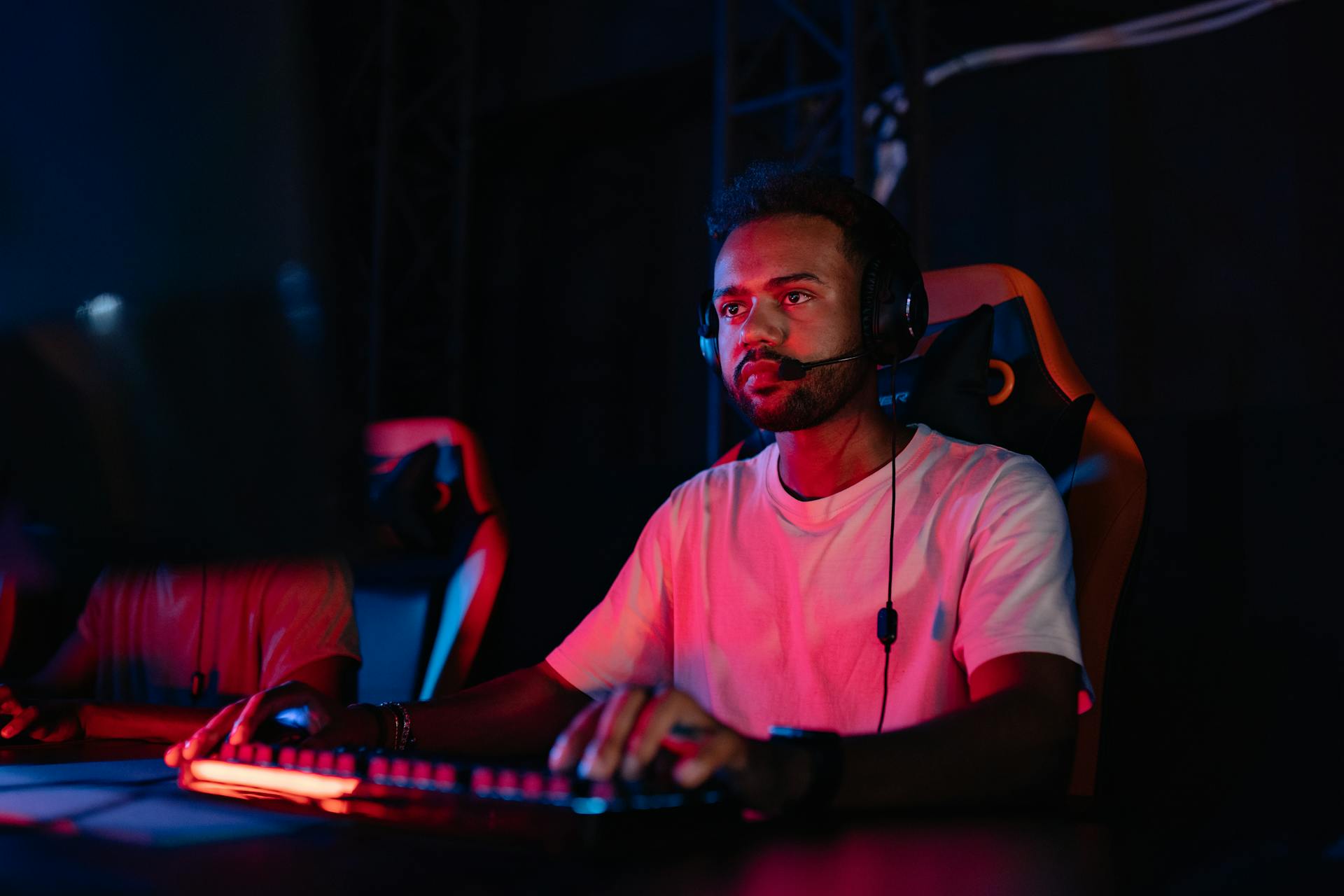
Not that long ago, gambling was mostly a private experience. You played at a casino, at home, or on your phone, and the only audience was maybe a friend leaning over your shoulder. Streaming flipped that script. Today, thousands of viewers tune in to watch someone else spin slots, place bets, and react live to wins and losses. Gambling didn’t just go digital—it went performative, becoming something closer to esports or live entertainment than a solitary pastime.
From Solo Play to Shared Screens
 One of the biggest shifts streaming introduced is visibility. When streamers broadcast their sessions, gambling becomes communal. Viewers celebrate wins, groan at losses, and spam chat with advice or reactions. Streams featuring mobile formats or apps, including setups similar to diwa 777 apk usage, make the experience feel accessible and familiar, as if anyone could jump in and play along. The act of watching turns into a shared ritual rather than passive observation.
The Rise of the Gambling Personality
Streaming isn’t just about the game—it’s about the person playing it. Successful gambling streamers are entertainers first. Their reactions, humor, and storytelling are what keep viewers coming back. Big wins matter, but so does how those wins are framed. A loud celebration, a dramatic pause, or a running joke with chat can make even a small payout feel like a highlight moment worth watching.
Chat Culture and Collective Emotion
Live chat is where gambling truly becomes a spectator sport. Viewers don’t just watch outcomes; they influence the emotional tone of the stream. When hundreds of people type “one more spin” or flood the chat with emotes during a close call, it creates collective anticipation. This shared emotional buildup mirrors what happens in live sports, where the crowd’s energy becomes part of the event itself.
Entertainment First, Risk Second
Streaming often reframes gambling as content rather than risk. Bets are packaged into segments, challenges, or themed sessions designed to be entertaining. Losses can be laughed off, edited into highlights, or softened by the streamer’s personality. This presentation makes gambling feel less about money and more about drama, suspense, and storytelling, which can change how audiences perceive the activity.
Why Watching Feels Safer Than Playing

For many viewers, streaming offers a way to experience the thrill without direct risk. Watching someone else gamble provides excitement, unpredictability, and emotional highs, all from a safe distance. It’s similar to watching poker on TV or a high-stakes tournament online—you get the tension without putting your own money on the line. This dynamic helps explain why audiences keep growing even among people who rarely gamble themselves.
The Feedback Loop of Wins and Views
Streaming platforms reward excitement. Big wins generate clips, shares, and new followers, which encourages streamers to chase memorable moments. That, in turn, attracts more viewers looking for spectacle. Over time, gambling streams evolve toward higher stakes, flashier visuals, and bigger reactions, reinforcing the idea that gambling is something to watch, not just something to do.
Streaming transformed gambling by giving it an audience. What was once private is now performative, social, and endlessly shareable. Viewers tune in for the personalities, the chat energy, and the unpredictable drama of chance playing out live. Whether you see it as entertainment, spectacle, or cultural shift, one thing is clear: gambling is no longer just a game—it’s a show.